

Kuriko Kudo
Naoshige Akita
Hiroyuki Matsuguma
Shunta Tomimatsu
Yasuyuki Hayama
Tomohiko Moriyama
Veronica Yakimovich
18 May, 2026
Guest article
Design has significant potential to provide innovative solutions to problems in the medical field and to improve the quality of medical care. Yet, educational programs that integrate collaboration between design and medicine remain limited.
To bridge this gap, researchers at Kyushu University in Japan developed and implemented a year-round, project-style educational program. Led by faculty members specialising in product design, digital content, and games, the course brings together graduate students and researchers from both design and medical disciplines.
Throughout the program, students identify issues through hospital tours and refine them during discovery workshops. In the idea-generation workshop, participants collaborate to develop prototypes that address the selected problems.
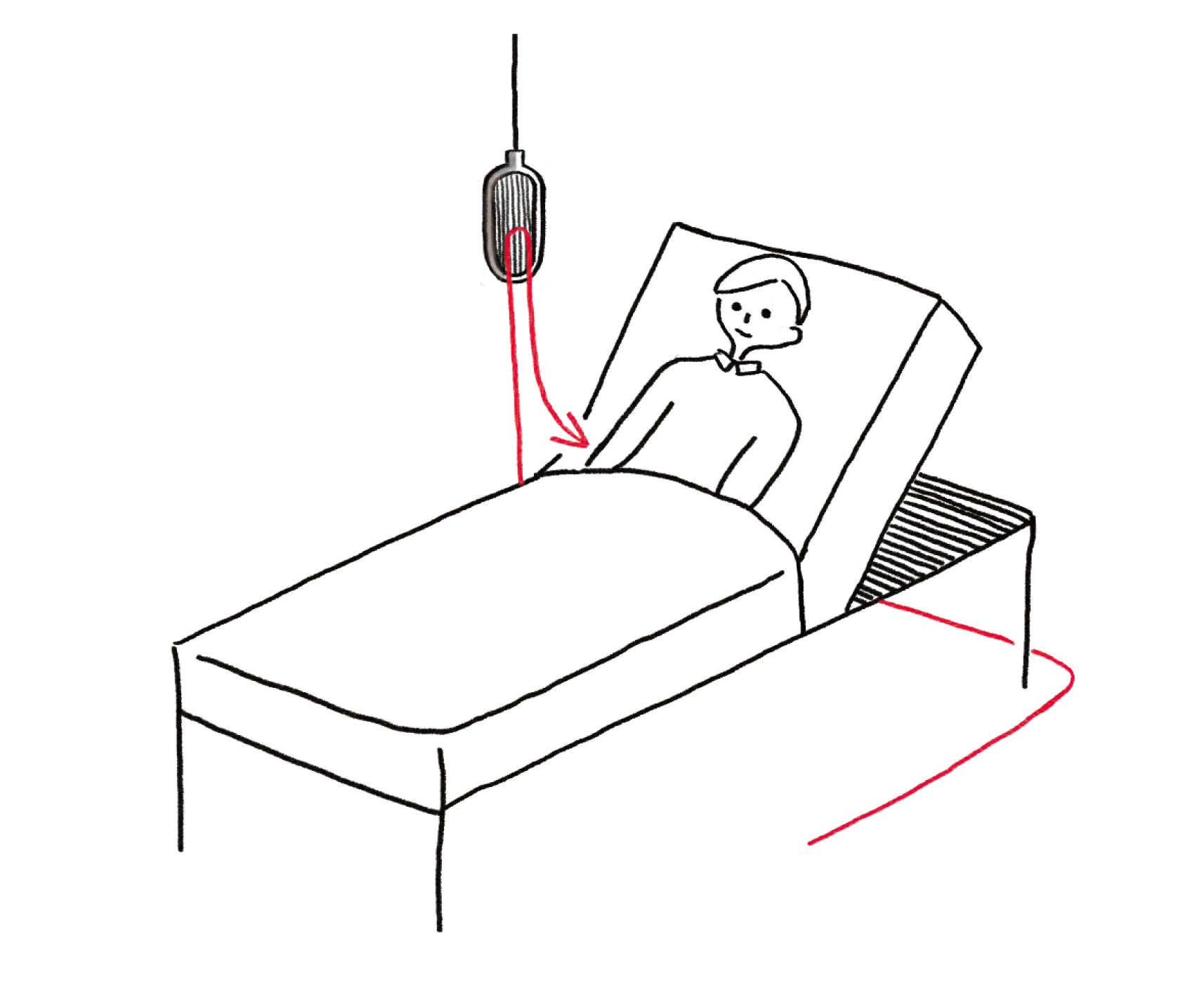
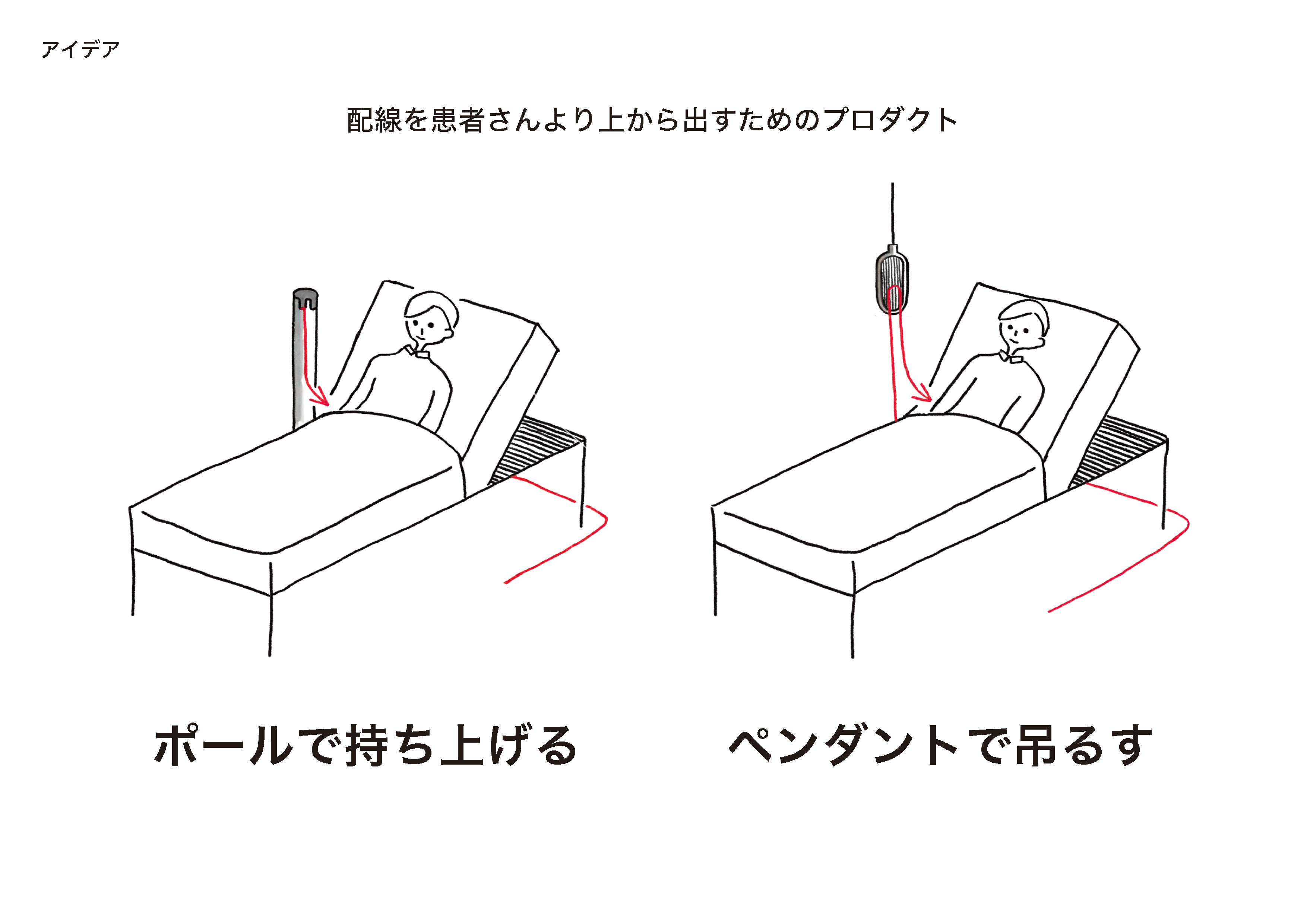
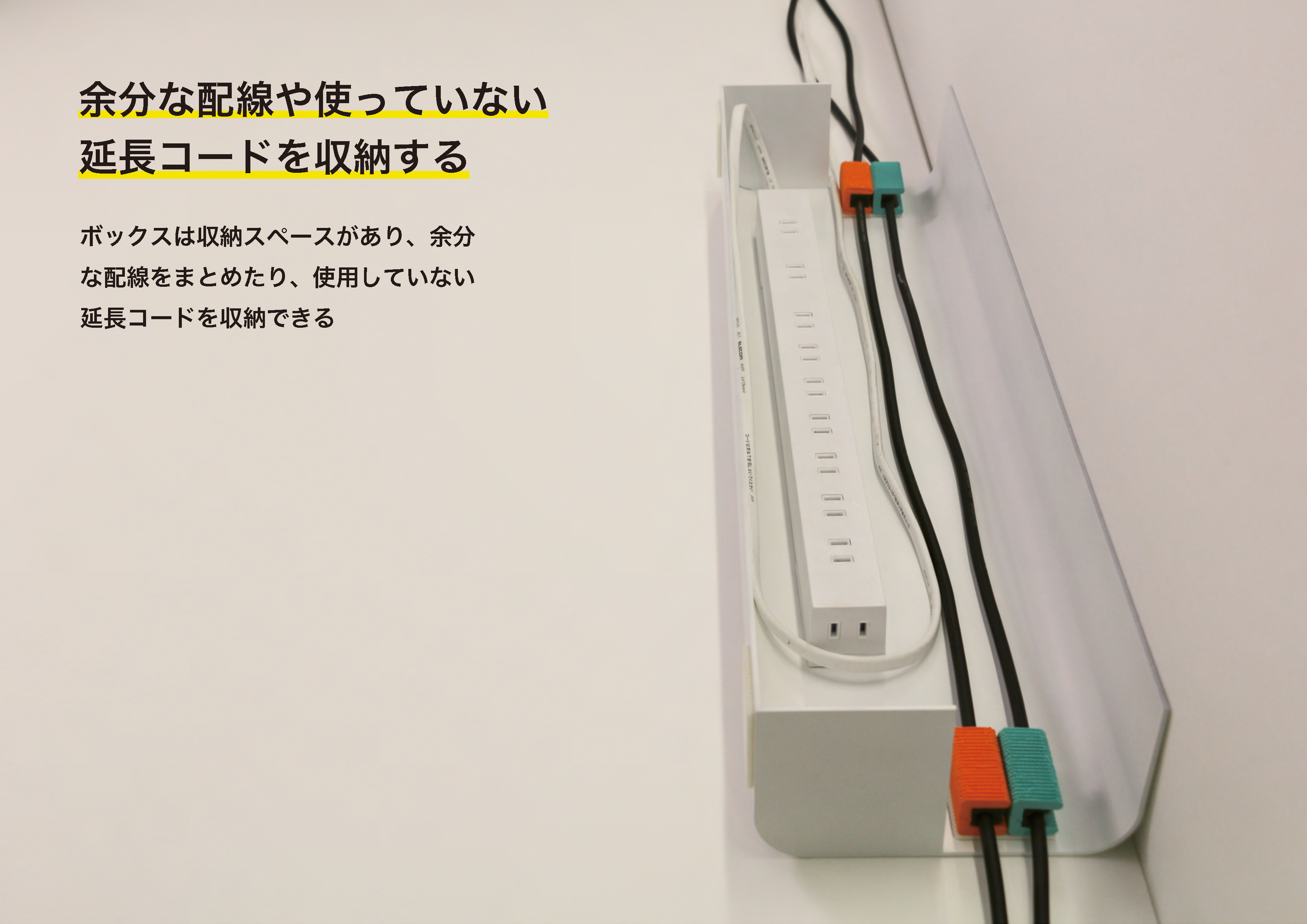
For instance, in collaboration with the Department of Neurology, students addressed the issue of tangled cables around patients’ bodies, which restricts patients’ mobility. Their solution was a cable management component designed to prevent entanglement.
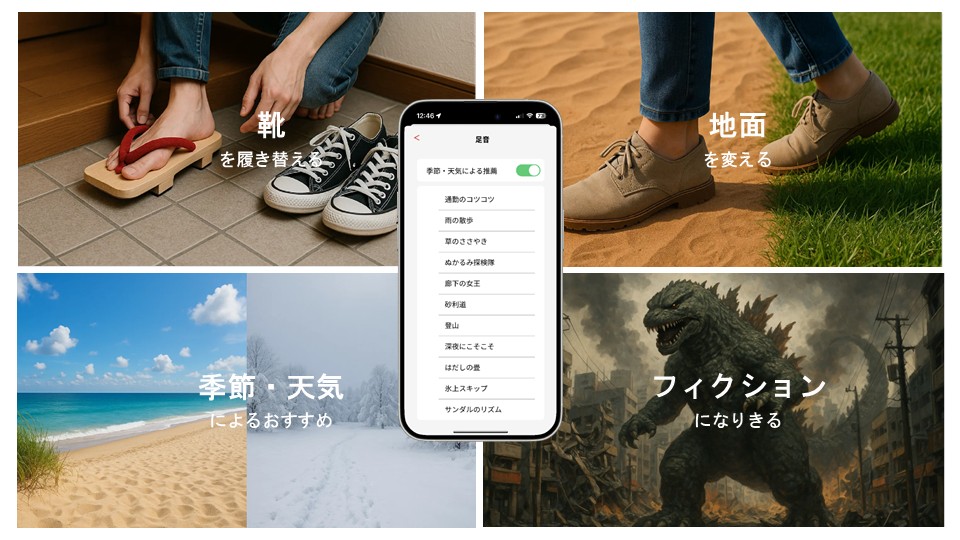
Another prototype, also from the Department of Neurology, was designed for patients with Parkinson’s disease who experience walking difficulties. Research has shown that these patients often find it easier to walk when they hear the sound of footsteps. In response, students created the Footsteps App, which allows users to select from a range of auditory cues—from more familiar sounds such as regular footsteps, walking through puddles, or high heels, to more imaginative options like Godzilla’s footsteps.
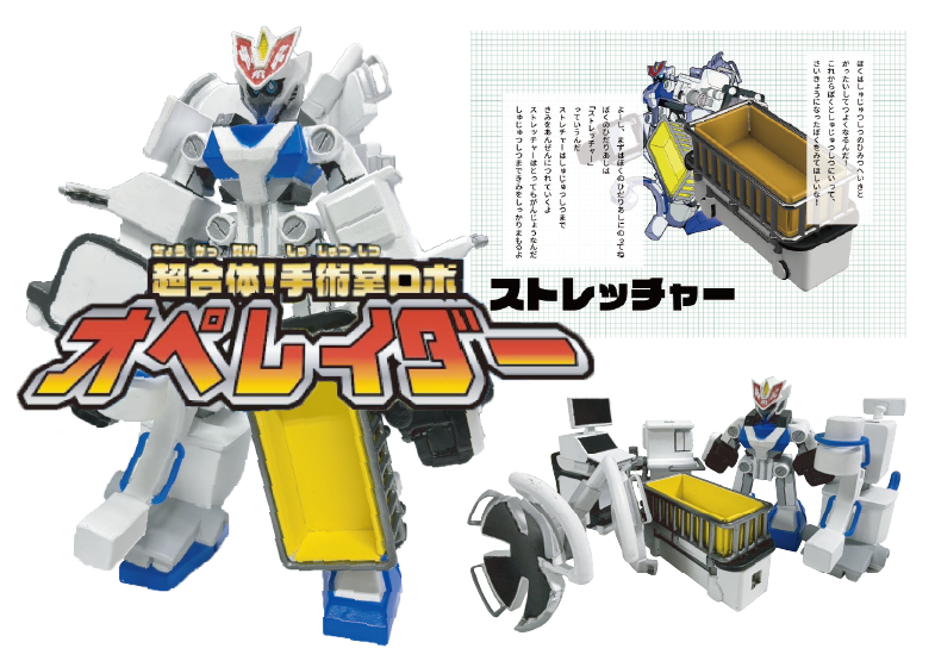
Another inspiring project came from collaboration with the Pediatric Surgery department. To help children feel more at ease in the treatment rooms and operating rooms— environments that can be intimidating for them—the students created a robot character modeled after medical equipment.
Not only does the program introduce cutting-edge creative initiatives in healthcare, but it also resulted in students reporting increased career expectations, alongside consistently high levels of motivation and creativity throughout the year.
Based on the program’s outcomes, the researchers created a framework outlining key considerations for designing similar problem-solving educational programs, which you can find in an open-access study here.
You can also explore more student projects from the program here.