Anna Harris, Emmaline Brouwer, Marijke Kruithof, Giuliana Brancaleone and Nyah Costa
Veronica Yakimovich
23 February, 2026
Educational Activity
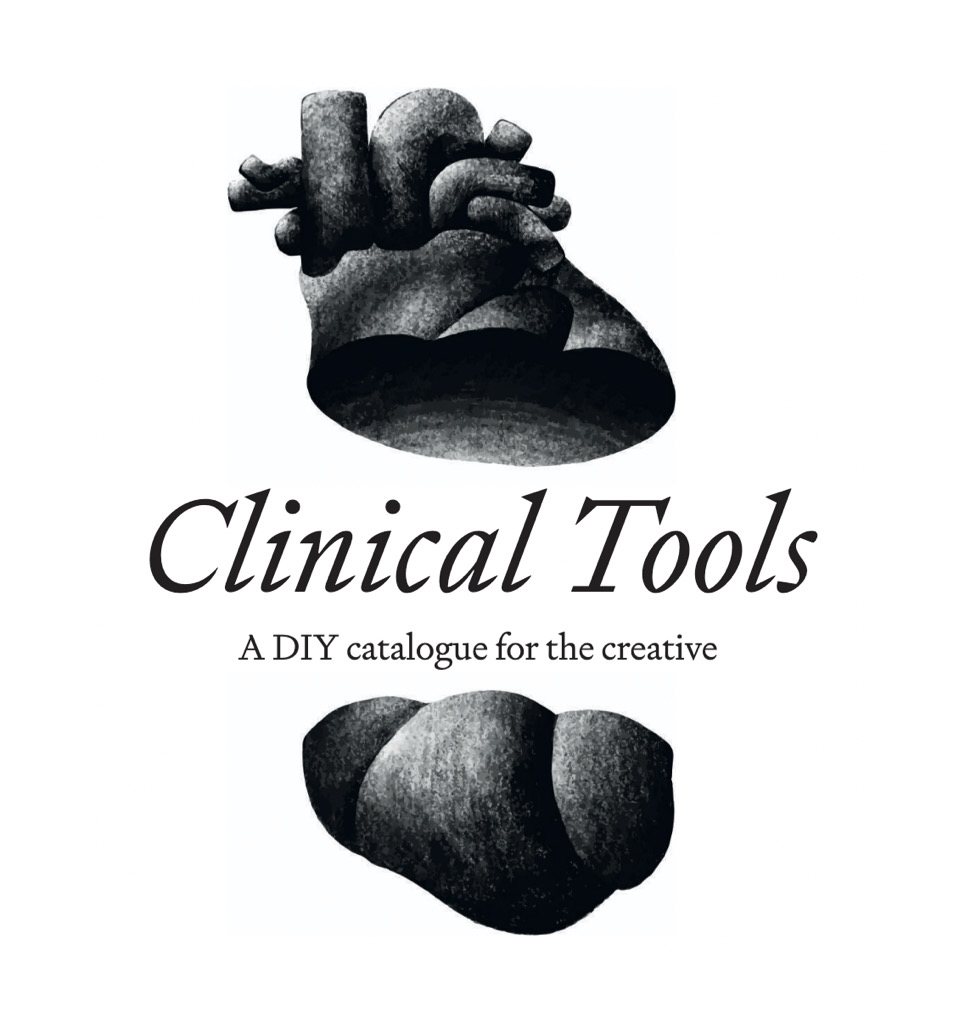
In the world obsessed with ‘the new,’ how can we better care for existing materials and make do with what’s already available? To address this, the first edition of the Clinical Tools Catalogue offers a curated collection of open, low-cost learning resources designed for educators of healthcare professional skills.
Instead of encouraging the purchasing of new technologies for medical training, this catalogue tries to set an example of finding and sharing creative tools that already exist in medical education. Furthermore, it shows how to make use of local resources, meaning that the tools are not only practical and educational but also inexpensive and sustainable.
This catalogue brings together examples from education of healthcare professionals, rethinking the current focus on digital innovation and high fidelity, something which we believe that many different disciplines could benefit from. This catalogue explicitly highlights existing practices, techniques and examples of handmade, DIYs, and repurposed teaching tools that have been made by educators in Maastricht (the Netherlands), and around the world including in Kenya, Vietnam, South Africa, Hungary, South Korea, Sierra Leone, the United Kingdom and the United States. One of the goals of this catalogue is to learn more about these practices and explore ways that DIYs might be better shared.
DIY learning tools have numerous advantages. First, they allow for more locally relevant teaching materials, as by making models themselves, educators can make sure to reproduce the specific diseases that students are likely to find in their communities. In the same vein, this approach also allows for better diversity of models, stretching beyond the current dominance of the white and often male body in learning materials. Second, making DIY materials also addresses issues of sustainability, which are seldom discussed in the context of skills education.
The first section of the catalogue showcases 9 DIY models to help students practice their medical skills (from different fields) while the second section showcases 12 DIY anatomical models. The catalogue includes short essays about the advantages and challenges of making in medical education, differences between models, a rethinking and reflecting on the postcolonial dynamics present in medical education and the absence of representation of all bodies in high-fidelity mannequins.
We invite readers to be inspired, take up scissors, paper and glue, and make their own DIY materials based on the resources reviewed, described, quoted and listed.
In our Downloads you can find the full catalogue of Clinical Tools!