Veronica Yakimovich
21 July, 2026
Educational Activity
Ella Cinjarevic
In our previous materials, we already touched upon media in medical research and education that go beyond text to add nuance and new perspectives to the discipline. With Paul Craddock, we discussed how film can contribute to more detailed, attentive research, and Mieke Derickx explored introducing artisanal practices to teach future healthcare professionals.
The Picture This program goes in this tradition. The program was launched by Assistant Professor Laura Ogden of the Faculty of Arts and Social Science (Maastricht University, The Netherlands) and illustrator Michael Kirkham (University of Dundee, Scotland). In Picture This, arts students from the University of Dundee were paired with social scientists from Maastricht University to create illustrations that help communicate research findings.
As Laura Ogden notes, ‘most social science research questions our assumptions and is full of nuance. But it can be hard to communicate such complexity in an accessible, digestible way in our standard academic formats.’ This is where illustrations come in.
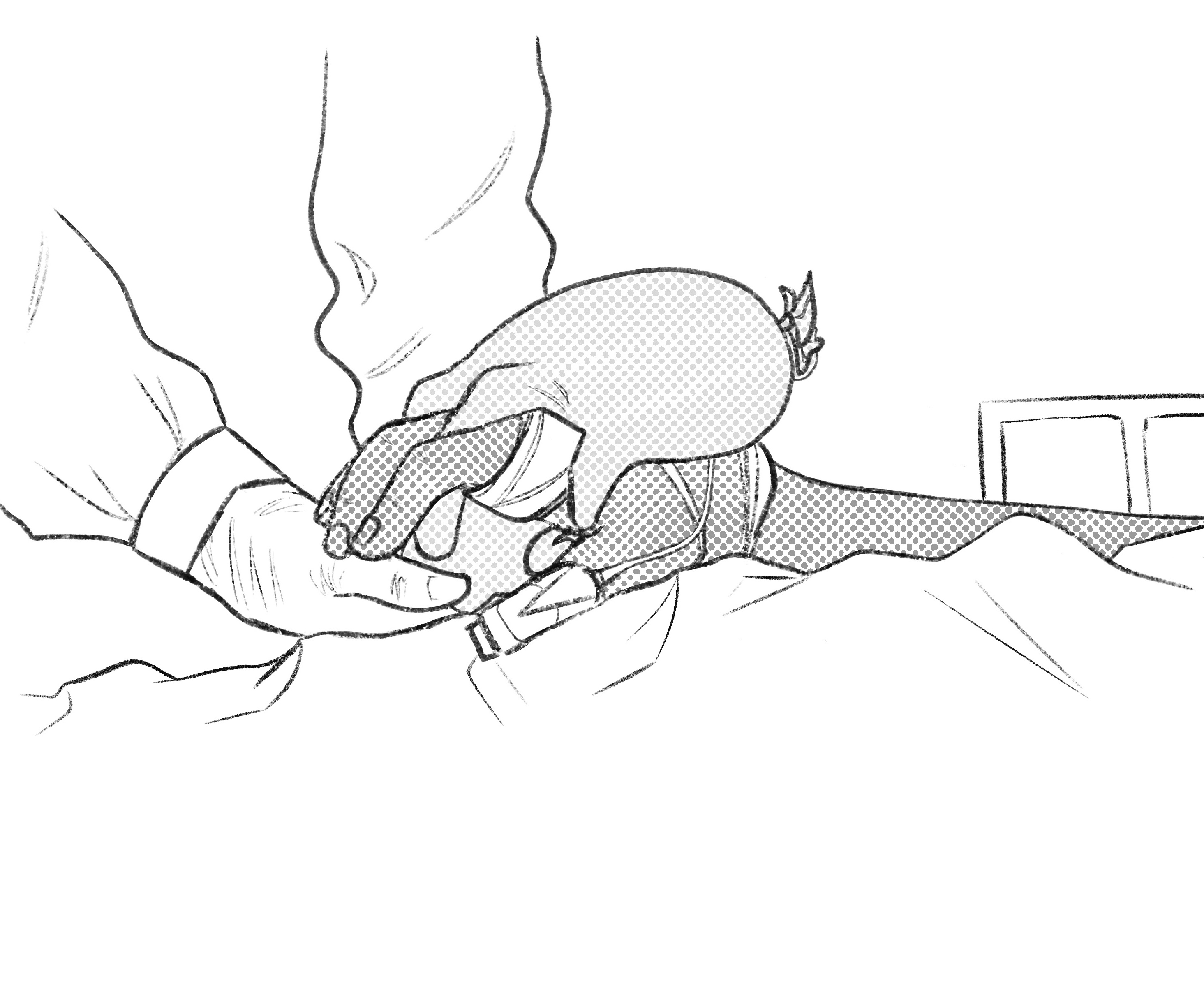
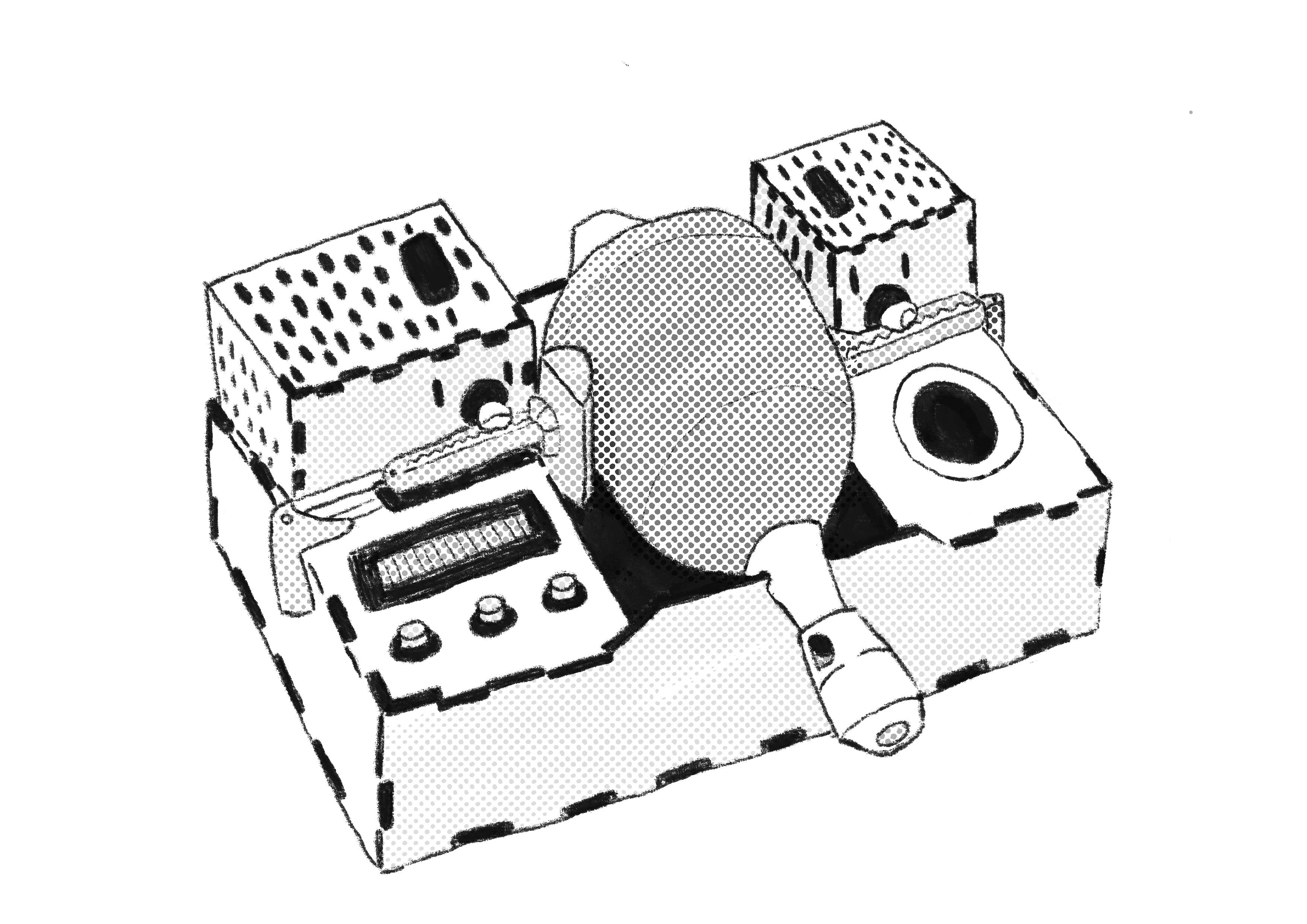
Being part of the programme, Making Clinical Sense and The Upcycled Clinic worked with two illustrators, Emma Aitken and Ella Cinjarevic, who created illustrations for the Clinical Tools Catalogue (Issues 1: Education and 2: Pandemic).
(1).jpeg)
Rather than simply reproducing a researcher's literal vision, these illustrations focused on what the image needed to convey, whether to convince policy-makers, communicate ideas to participants, etc. Instead of being dictated by the research, illustrations worked in synergy with it, helping to see what a picture can do and what might work in each context.
This interdisciplinary collaboration broadened perspectives for both researchers and illustrators. For researchers, it served as an exercise in explaining their work to those who do not share the specific knowledge and assumptions of their field. For students, it gave an opportunity to look ‘behind the curtains’ of social science faculty.
Emma Aitken says: ‘While working on the illustrations for this project, I found it very fascinating to see that people who are working in academia or the medical field have a lot more creative practices than I imagined. It is exciting to see people expressing themselves in their own ways, outside the usual ways in education. While doing my own research into the experiment before starting the illustrations, I found that I was learning new things. For example, there is innovation within the medical field, which now uses 3D printed replacements in surgeries.’